








The Computer and Information Science faculty at Allegheny College agree with Edward Lazowska, the Bill & Melinda Gates Chair of Computer Science and Engineering at the University of Washington, who said "Computer science: It's where the jobs are. It's also where the future is." Studying Computer Science at Allegheny means that you will be competitive for the computing careers that are projected to account for 73% of all new STEM jobs in the next decade, according to a 2016 report from the U.S. Bureau of Labor Statistics.
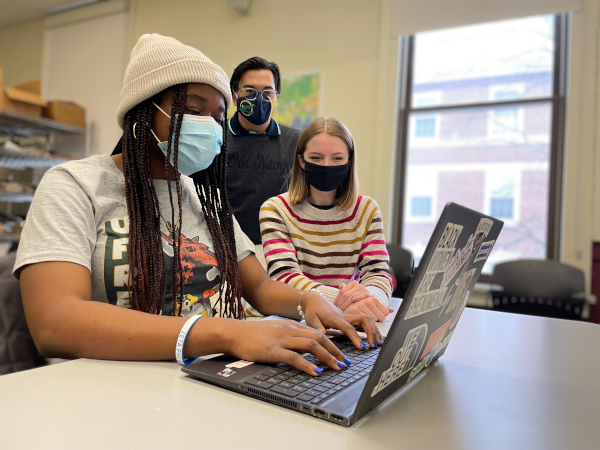
Teaching and research in the Department of Computer and Information Science are always student centered. While at Allegheny, you will learn the fundamental knowledge and skills of the field, in addition to honing your ability to effectively communicate and work in interdisciplinary teams. You will find the field of Computer Science to be filled with fascinating and rewarding challenges as you design, implement, and release mobile apps, web sites, and open-source software that will be useful to teachers, researchers, and industry experts from around the world.
Announcements
-
Fall 2023 Newsletter
The Fall 2023 Edition of the Computer and Information Science Newsletter
Date: November 08, 2023
-
Reboot Campaign
Help AC students gain experience developing open-source software
Date: November 07, 2023
-
Spring 2023 Newsletter
The Spring 2023 Edition of the Computer and Information Science Newsletter
Date: July 07, 2023
-
Fall 2022 Newsletter
The Fall 2022 Edition of the Computer Science Newsletter
Date: February 01, 2023
-
Discovery Machine Internships and Job Opportunities
Discovery Machine is seeking students for summer internships and full-time jobs.
Date: November 03, 2022